There is an ancient war in the corporate world. It is the war between Marketing and Sales.
Marketing high-fives each other because they generated 500 leads this month at a record-low Cost Per Lead (CPL). Meanwhile, the Sales team is pulling their hair out because those 500 leads are mostly broke students, competitors spying on pricing, or people who thought they were signing up for a free iPad.
Marketing blames Sales for not closing. Sales blames Marketing for sending “junk.”
The truth? You are both wrong. The problem isn’t the people; it’s the feedback loop. You are actively training your ad platforms to send you bad leads.
The Blind Algorithm
Here is how modern advertising algorithms work: they are incredibly efficient at giving you exactly what you ask for. If you tell Facebook or Google, “I want leads,” and you define a “lead” as anyone who fills out a form, the algorithm goes to work. It finds the cheapest, easiest people to convince to fill out that form.
Usually, the easiest people to convert are low-intent window shoppers. They have lots of time and no money.
The algorithm sees these people converting, pats itself on the back, and says, “Great! I found the pattern. Let’s go find more people just like this.”
You are essentially training a puppy. You are giving it a treat every time it brings you a stick, so it keeps bringing you sticks. Then you get mad because you actually wanted a diamond. But you never showed the puppy a diamond.
Closing the Loop (Offline Conversions)
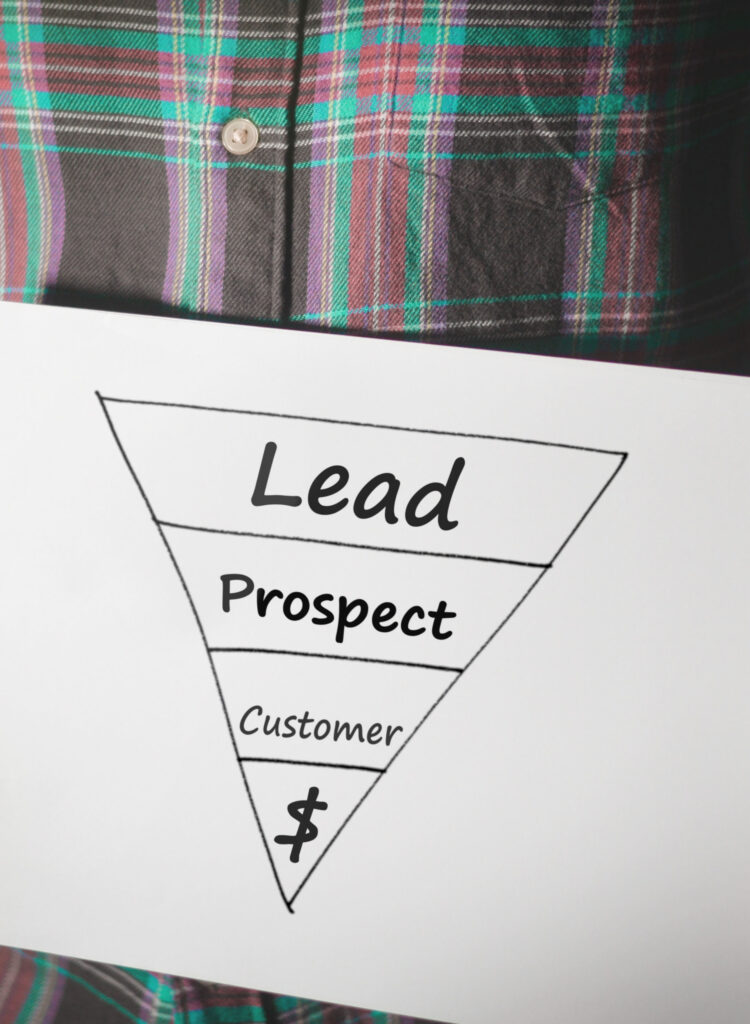
To fix this, we have to stop optimizing for the start of the journey (the lead) and start optimizing for the end (the revenue). This is called the Feedback Loop, technically implemented via Offline Conversion Tracking (OCT).
Instead of the data flowing one way (Ads → Website → CRM), we build a pipe that flows backward (CRM → Website → Ads).
When a sales rep marks a deal as “Closed Won” in Salesforce or HubSpot, we automatically send a signal back to Google or Meta. We tell the ad platform, “Hey, ignore those other 99 people. This specific person actually paid us money. Go find more people who look like him.”
"Half the money I spend on advertising is wasted; the trouble is I don't know which half."
John Wanamaker
Hunting Whales, Not Minnows
Once this infrastructure is in place, magic happens. You can switch from “Target CPA” (Cost Per Acquisition) to “Target ROAS” (Return on Ad Spend) or Value-Based Bidding.
Let’s say you are a Fintech company.
- Lead A signs up but deposits $0.
- Lead B signs up and deposits $50,000.
To a standard pixel, these two leads look identical. They both fired the “Complete Registration” event.
But with Value-Based Bidding, we pass that deposit value back to the ad engine. The algorithm instantly realizes that Lead B is worth infinitely more than Lead A. It analyzes Lead B’s data points—maybe they are on an iPhone 15 Pro, browsing from a financial district, reading Bloomberg.
The algorithm then pivots. It stops bidding on cheap clicks and starts bidding aggressively for high-value users (“Whales”). Your Cost Per Lead might go up, but your Revenue goes through the roof.
Stop Feeding the Beast Junk Food
If you are running lead generation campaigns without a feedback loop, you are flying blind. You are trusting a machine to spend your money, but you are withholding the only data that actually matters: profit.
Marketing isn’t about getting the most leads. It’s about getting the right leads.
Stop training your algorithm to fetch sticks. Teach it to hunt.